Featured Stories
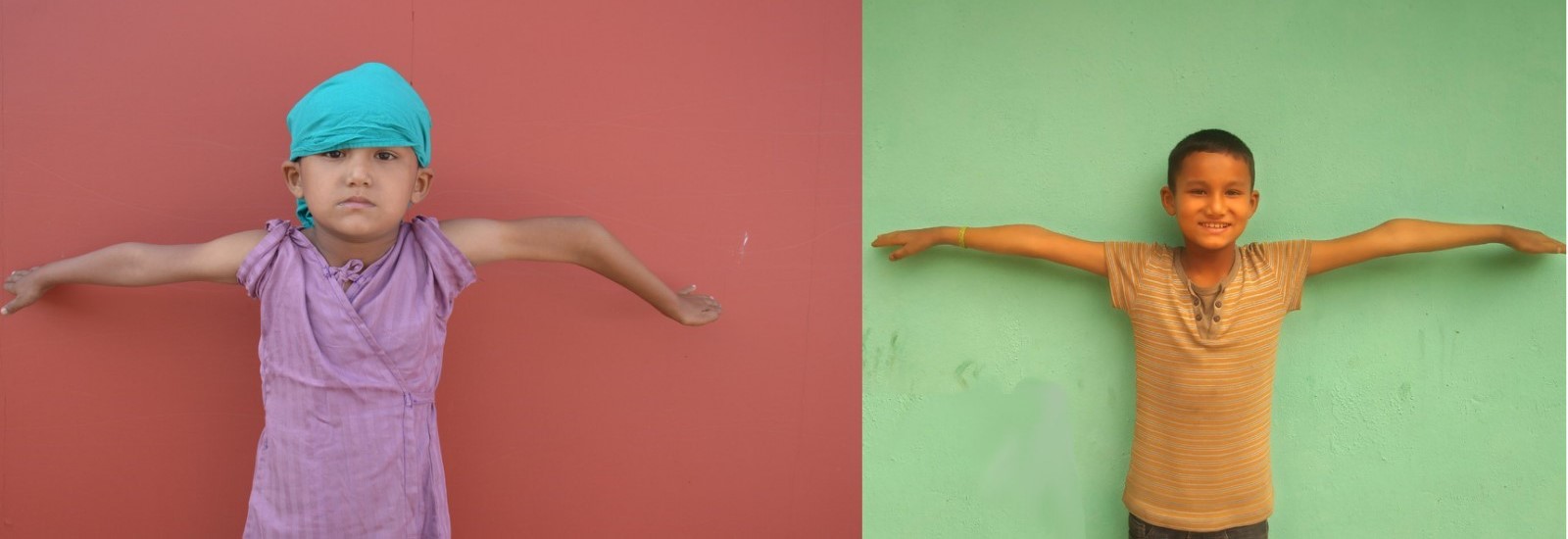
"A straight arm, finally!"
Nine years old Lacchu comes from a poor household in rural Nepal. His father is a subsistence farmer and his mother is a housewife. He fell off a tree and broke his left arm. Due to the precarious financial situation of his family, he was treated by the village bone-setter in a locally made splint called “kapro”. His fracture healed but, over the years, he was left with a terrible deformity of his elbow. He was seen at an FOD field clinic in Okhaldhunga district, and subsequently operated to correct his deformity. He now has a straight and fully functional elbow.
Lacchu’s story illustrates how a common injury left untreated leads to gross deformity and disability. Lack of access to care or the means to seek care are common barriers for children like him. FOD’s mobile field clinics help identify such children so they can avail of the same services that are accessible to urban children.
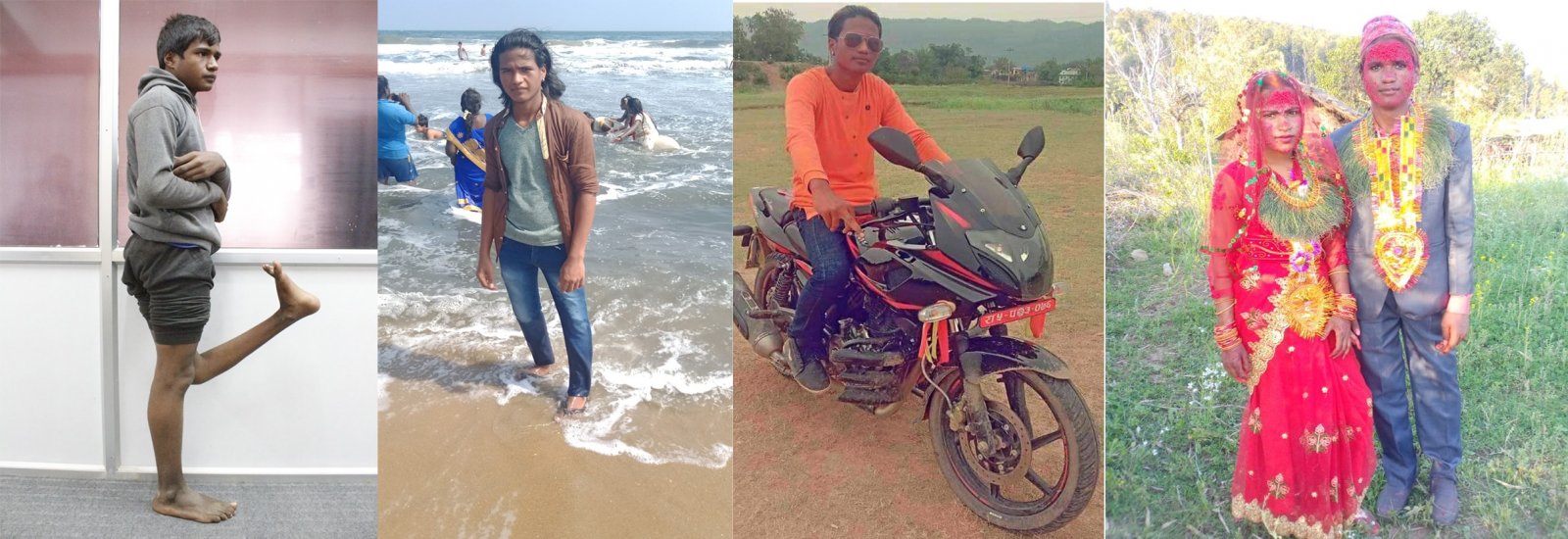
"I don’t have to carry my leg anymore"
Fifteen year old Prakash fell off a tree and broke his left leg above the knee. In an unimaginable story of desperation, he lived with that fracture for eight months before finally being identified by FOD’s field team! The initial pain of the fracture caused him to “carry” his leg, which healed in a grotesque and non-functional position. He later told us that he felt helpless and depressed at his fate, and had given up on his dream to work and help his struggling parents.
At FOD, he underwent a lengthy corrective surgery on his leg, followed by months of rehabilitative physiotherapy. He finally hit the ground again! He was delighted that he didn’t have to carry his broken leg or hop on his normal one, a sight that often had made him the center of jokes and laughter. In a wonderful illustration of how his identification and subsequent treatment and rehabilitation have impacted his social life, Prakash now works as a cook in South India, rides a bike, and recently got married. He is a happy young man who is pursuing a life of independence and dignity!
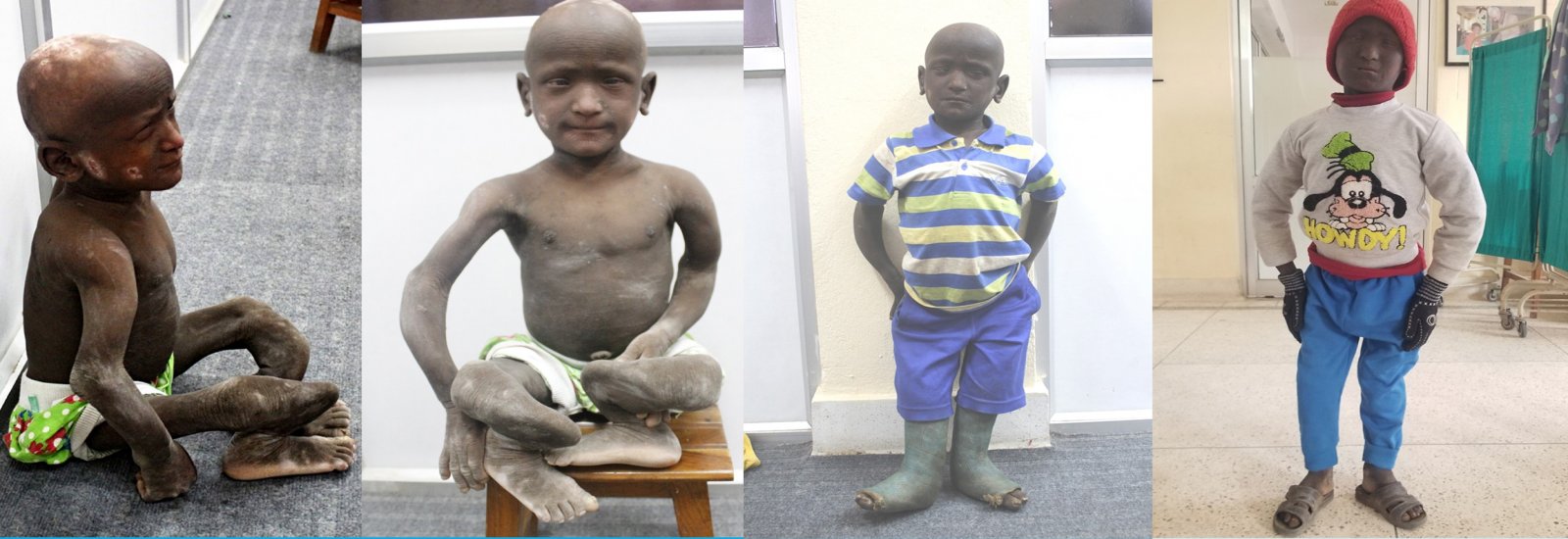
"Standing up for the first time in his life"
Twelve years old Ramesh from Baglung district had never walked in his life. He was afflicted with a rare condition of bone deformity and skin pigmentation. His father is a daily wage laborer, so couldn’t afford treatment for his child. He recalls feeling depressed and angry at his fate. He was brought to FOD by another organization who had spotted him.
Now he can walk without support and has started going to school. Children like Ramesh demonstrate how the barriers of socioeconomic deprivation and disability prevent social participation for such children. With appropriate intervention, the results can be transforming, both physically and socially.
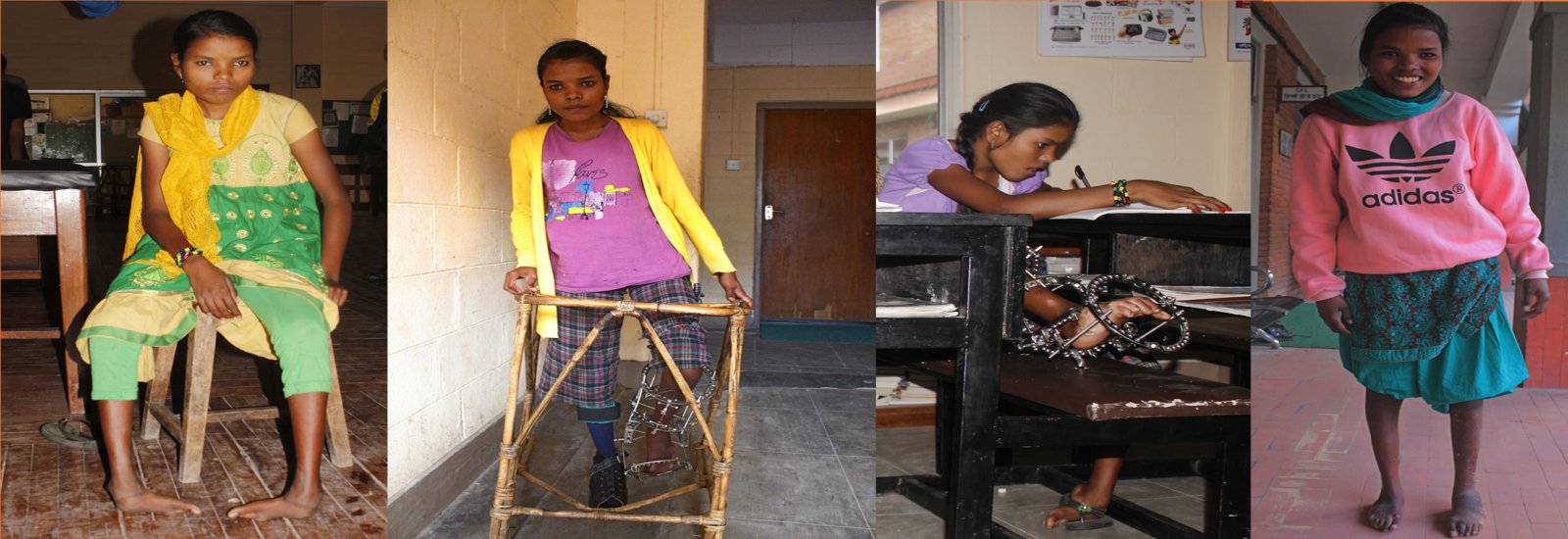
"Straight feet, a beautiful smile, and a straightened life"
Reshma is from Darjeeling in India. She was born with clubfeet affecting both legs. This is a common birth anomaly which is usually treatable with plasters if done early in life. Unfortunately, Reshma had to live with her deformity, and the ostracism brought by it, until she was 16 years old. Dire social situations preclude early treatment, and Reshma is an example of four such barriers in play, namely disability, socioeconomic constraint, lack of education, and gender! Her father died when she was a small child and her mother abandoned her. She was brought to FOD by some good local samaritans who had heard of other children getting help here. She stayed nearly four months with FOD receiving helpin the treatment.
Workshop fabricated special shoes for her, and our in-house school gave her the opportunity to learn to read and write for the first time in her life. Her forlorn face when we first met her changed to a bright and beautiful smile, a herald of hope and confidence that she now feels when looking forward to her life. Again, a glaring example of how intervention to correct physical disability impacts the overall well-being and confidence of the child.
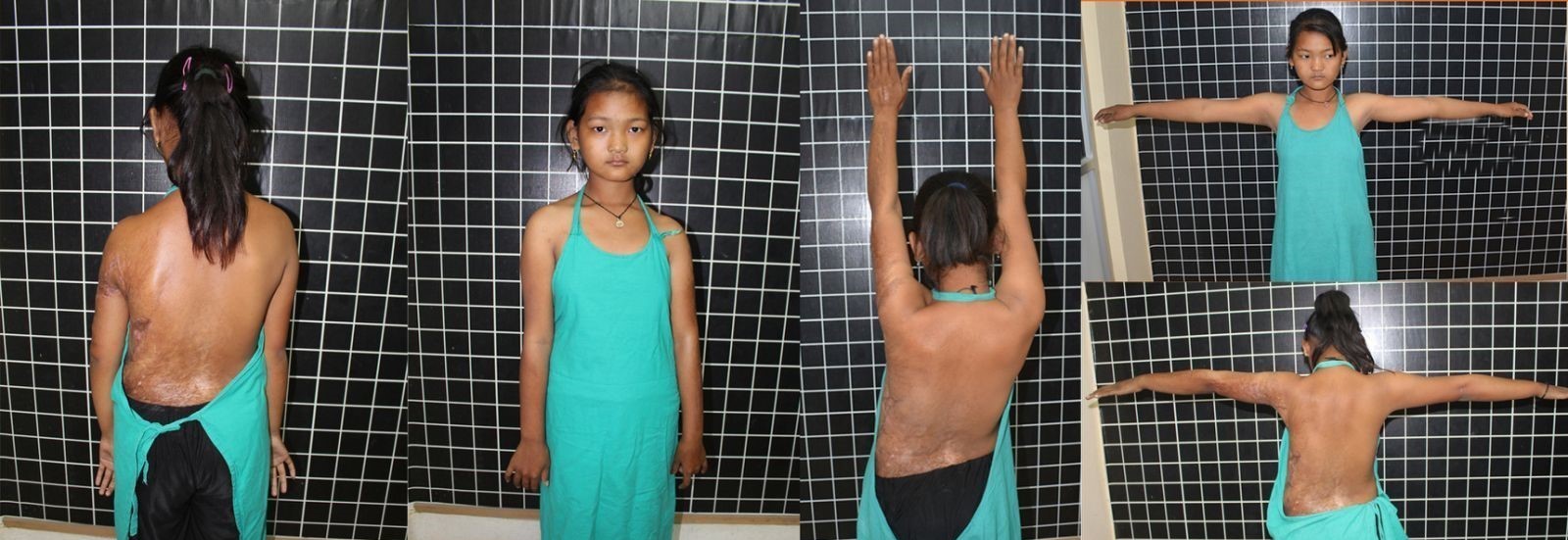
Release
Little Sumita fell into the household kitchen fire and sustained severe burns to her back and left axilla. She survived but the scars caused her left arm to be plastered to her body. She comes from a daily-wages household with a laborer father, farmer mother and two siblings. In such rural households, it’s not uncommon for a small child to tend on a smaller child while the parent s are out working. Often the kitchen is no more than a corner of the room where the wood fire burns where such accidents occur.
Fortunately for FOD’s community workers, Sumita was identified, and plastic surgeons were able to release the contractures in her body to get her arm free again. This is in sorts not just a release of contractures, but also of the childhood and the future. It would be a difficult life with disability, a life of stigma, limited opportunities, and often exaggerated gender bias. Now she has both her hands to play and work with, FOD’s gift to her to shape her own life!
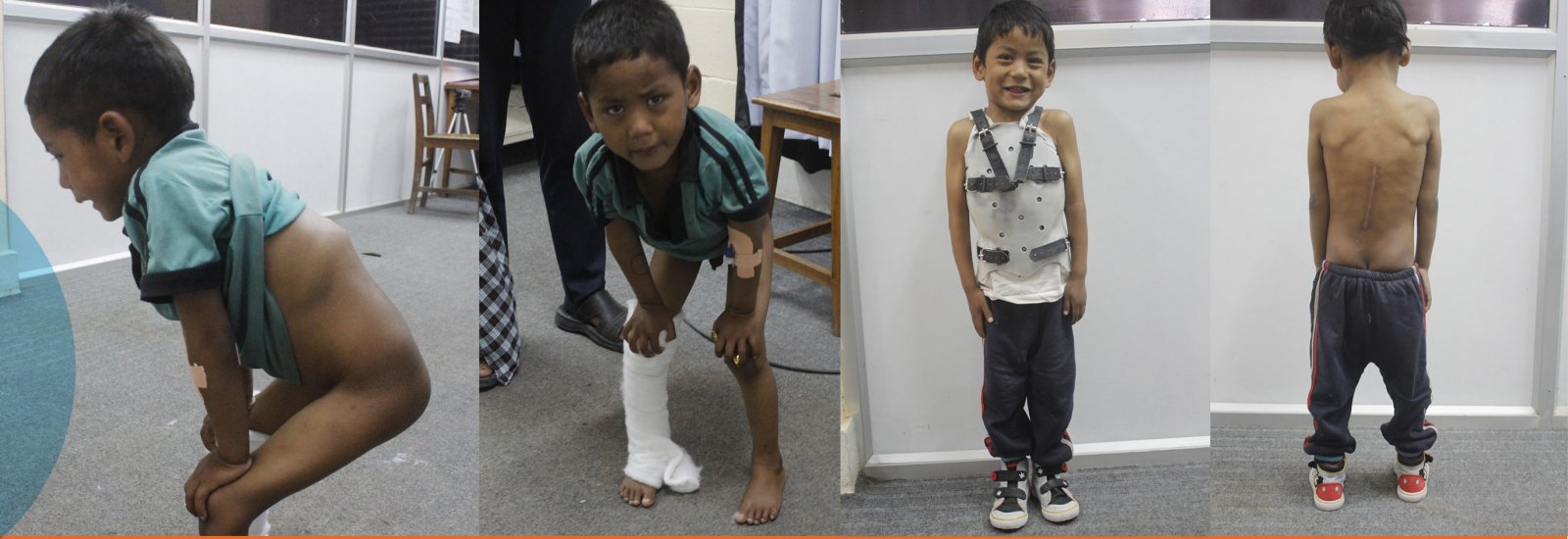
"Thank you FOD for having my back!"
Little Sudip comes from Mugu district in far-western Nepal, where forty percent of the population live under the poverty line. He has two siblings, his father is a daily wage laborer and mother is a housewife. At six years of age, he was afflicted with spinal tuberculosis, which gradually reduced his ability to walk independently. He had difficulty walking to his school, and often became a focus for bullying due to his unusual gait. As a result of these hardships, he stopped going to school!
Fortunately, he was seen at FOD’s mobile clinic to rural far-western Nepal. FOD’s spine team carried out a major surgery to his spine that involved removing the infection from his back and “instrumenting” his spine with screws and rods, followed by anti-tubercular chemotherapy. Now eight year old Sudip can walk normally to school with a lively smile on his face. His condition, which would have been amenable to treatment with medications alone if diagnosed early on, reflects the many barriers that preclude early intervention in socioeconomically constrained environments.